
Contemporary Dental Concepts
TMJ Treatment in Tempe, AZ
TMJ treatment Tempe AZ patients receive at Contemporary Dental Concepts begins with a careful evaluation of jaw pain, headaches, Jaw clicking, Jaw popping, clenching, grinding, and bite-related discomfort. Dr. Trent Smallwood creates personalized plans to help identify whether jaw function, muscles, bite, or Bruxism treatment Tempe AZ concerns may be contributing.
Visual Symptom Map
Where TMJ Symptoms Can Show Up
TMJ disorder and TMD treatment concerns can feel different from patient to patient. This map is educational only; a dental evaluation helps determine whether bite, clenching, grinding, or jaw function may be contributing.
TMJ and TMD
What Is TMJ / TMD?
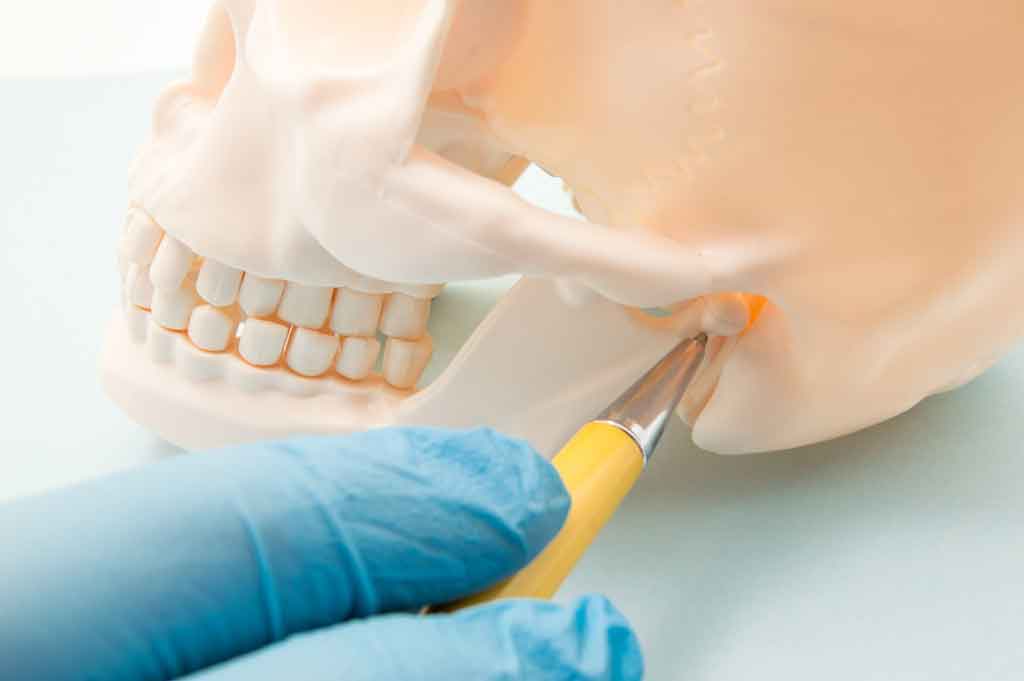
TMJ refers to the temporomandibular joint, the joint that helps your jaw open, close, chew, and speak. TMD refers to dysfunction or problems involving the joint, muscles, bite, or related structures.
Symptoms can vary and may overlap with other conditions. A TMJ dentist Tempe AZ evaluation can help identify whether bite imbalance, clenching, grinding, or jaw function may be contributing to your discomfort.
Visual Symptom Gallery
What TMJ Can Feel Like
These examples can help you describe what you are feeling. They are not a diagnosis, but they can guide a more productive consultation.

Jaw soreness
The jaw may feel tired, tender, or strained after chewing, talking, or waking.

Clicking or popping
Jaw clicking or popping may occur when the joint moves and should be checked if uncomfortable.

Morning headaches
Waking with headaches can sometimes relate to nighttime clenching or grinding.
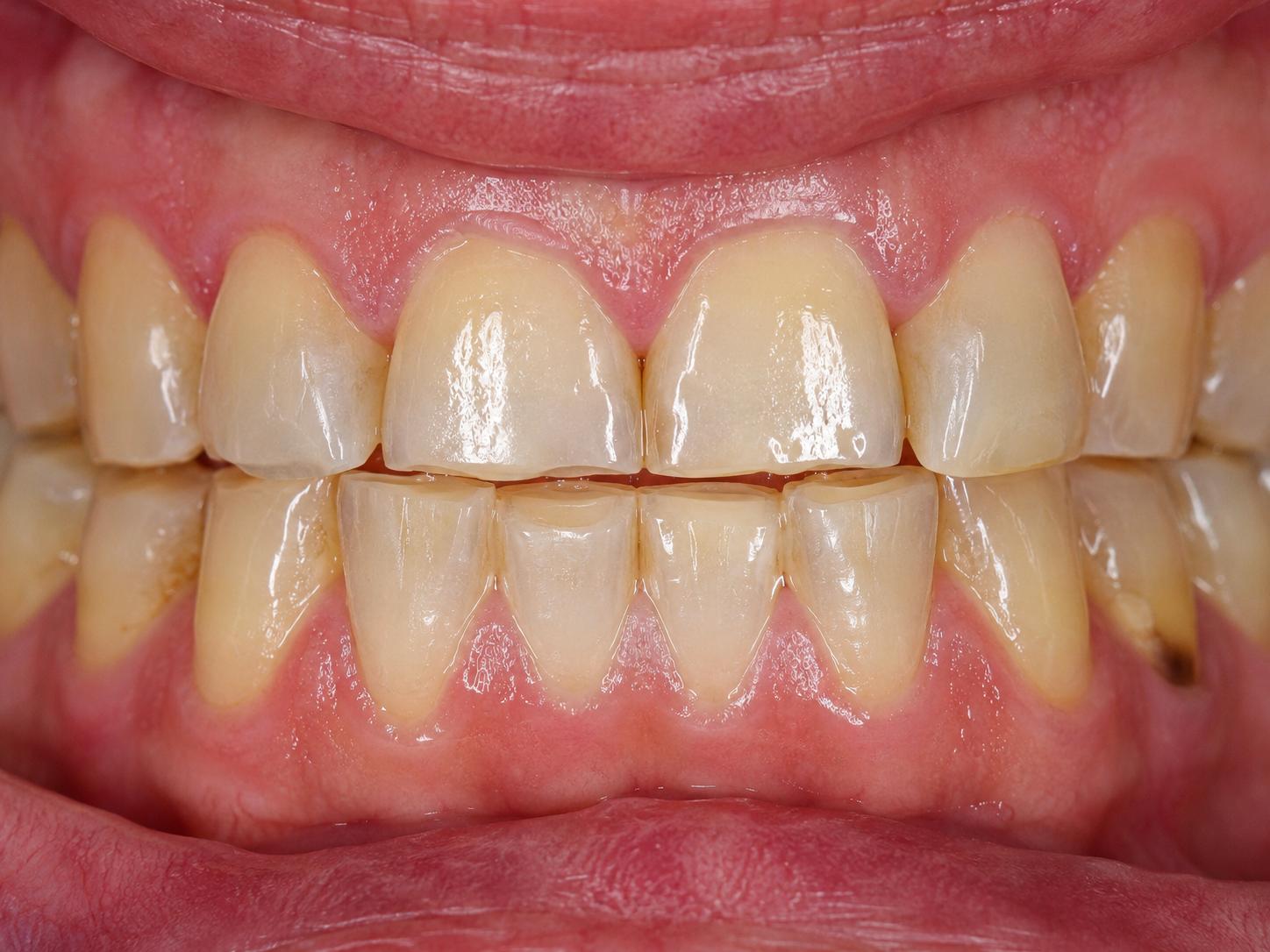
Teeth grinding or clenching
Bruxism can overwork jaw muscles and contribute to tooth wear or sensitivity.

Difficulty opening comfortably
Limited or uncomfortable opening can be a reason to evaluate joint and muscle function.
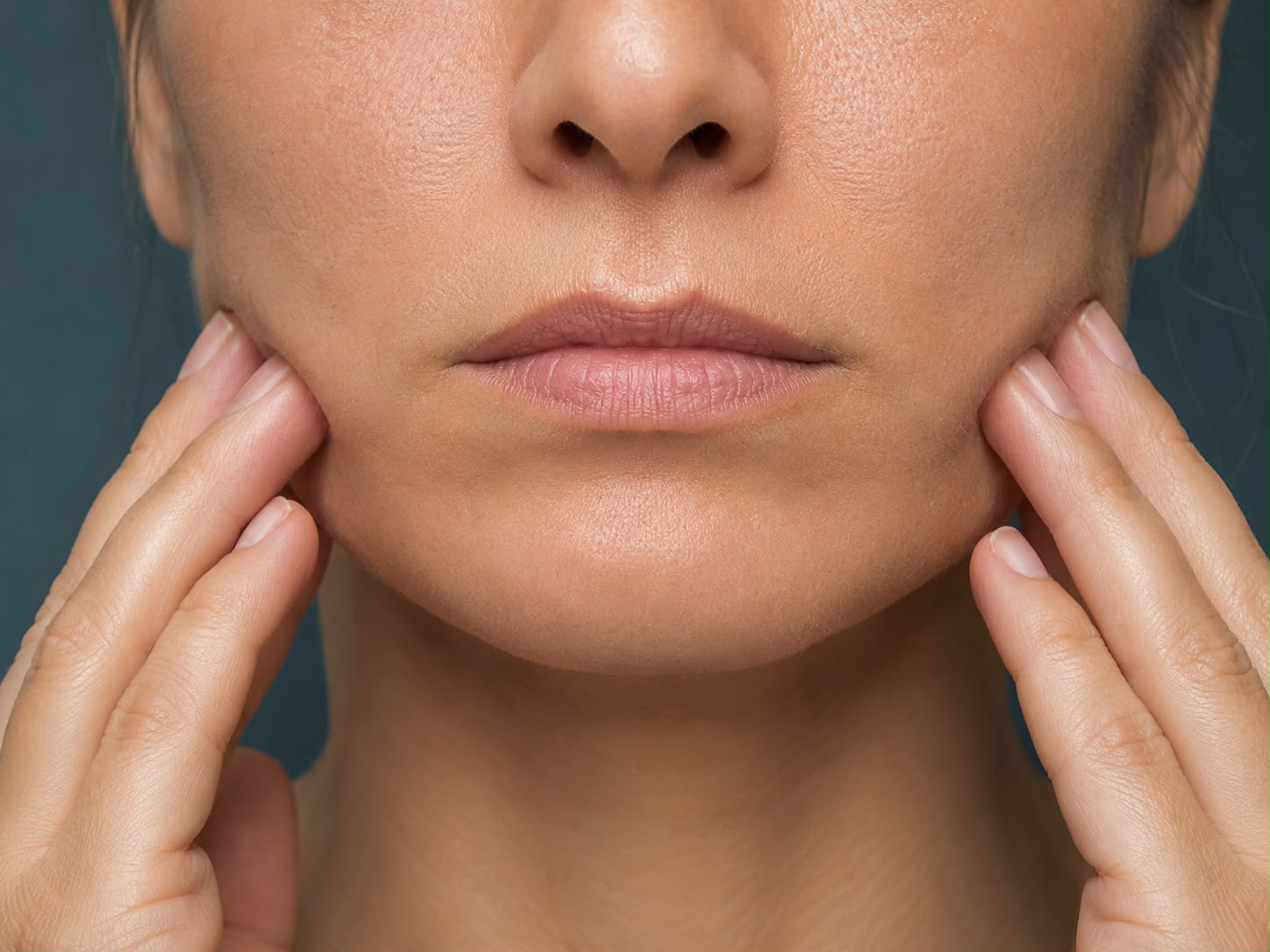
Facial muscle fatigue
Overworked facial and jaw muscles can feel tired, tight, or tender.
Contributing Factors
What Causes TMJ Problems?
TMJ symptoms can have more than one contributing factor. Clenching and grinding, bite imbalance, stress-related muscle tension, jaw injury or strain, arthritis or joint changes, and worn teeth or failing dental work affecting bite stability can all be considered during evaluation.
Because symptoms may overlap with medical or non-dental conditions, treatment planning should be careful, personalized, and based on what the evaluation shows.
What may be reviewed
- Clenching and grinding patterns
- Bite stability and tooth contact
- Stress-related muscle tension
- Jaw injury or strain history
- Tooth wear or older dental work
Interactive Guide
What's Driving My Jaw Pain?
Select what sounds most familiar. The information is educational and can help you prepare for a consultation, but it does not diagnose the source of symptoms.
Clenching / Grinding
What it may suggest: Bruxism may overwork jaw muscles and contribute to tooth wear or soreness.
What Dr. Smallwood may evaluate: Tooth wear, muscle tenderness, bite contacts, and whether a Night guard for TMJ may be appropriate.
Suggested next step: Schedule an evaluation and share when symptoms are worst, especially on waking.
Treatment Journey
How TMJ Evaluation Is Planned
The sequence helps connect symptoms with function before discussing care options. The right plan depends on what your evaluation shows.
Consultation and symptom review
Discuss jaw pain Tempe AZ concerns, headaches, clicking, clenching, grinding, and daily patterns.
Bite and jaw function evaluation
Review how the jaw moves and how the teeth come together during function.
Tooth wear assessment
Look for signs of clenching, grinding, worn enamel, fractured restorations, or bite stress.
Personalized planning
Discuss possible TMJ care options based on findings, comfort, and long-term bite stability.
Monitoring and adjustments
Track symptoms and refine the plan as needed based on response and comfort.
Possible Care Options
TMJ Treatment Options May Include
Not every patient needs every treatment. Evaluation helps determine whether dental, habit-related, restorative, or referral-based support may be appropriate.
Custom oral appliance or night guard
A custom appliance may be recommended when clenching or grinding appears to be contributing.
Bite evaluation and occlusal adjustment
When appropriate, bite contacts may be reviewed to support more comfortable jaw function.
Restorative planning
Worn teeth or failing dental work may affect bite stability and require coordinated planning.
Stress and habit awareness
Home-care guidance can help patients notice clenching patterns and reduce avoidable strain.
Coordination or referral
If symptoms suggest non-dental causes, coordination with the appropriate provider may be recommended.
Visual Explainer
See How TMJ Treatment Is Planned
A short explainer can help patients understand why TMJ evaluation looks at joints, muscles, bite, tooth wear, and habits instead of only one symptom.
Bruxism and Bite Stability
TMJ, Bruxism, and Tooth Wear
Clenching and grinding can contribute to tooth wear, jaw muscle fatigue, bite changes, and restorative dentistry needs. When teeth become worn or older dental work begins to fail, the bite may become less stable and jaw muscles may have to work harder.
As a Cosmetic dentist Tempe AZ practice with a restorative perspective, Contemporary Dental Concepts evaluates both comfort and the long-term health of the smile.
Worn teeth can change the bite
Evaluation helps determine whether restorative planning, appliance therapy, or habit guidance may be appropriate.
Why Choose Us
Luxury Dental Care in Tempe for TMJ and Bite Concerns
Dr. Trent Smallwood provides personalized TMJ and bite-focused planning with a cosmetic and restorative perspective. The experience is patient-focused, premium, and designed to help you understand what may be contributing to jaw discomfort before treatment is discussed.
Patients visit Contemporary Dental Concepts from Tempe, Scottsdale AZ, Phoenix AZ, Chandler AZ, Mesa AZ, and Gilbert AZ for thoughtful dental wellness and advanced smile care.
Questions
TMJ Treatment FAQs
What is TMJ?
TMJ refers to the temporomandibular joint, the jaw joint that helps you open, close, chew, and speak. Problems involving the joint, muscles, bite, or related structures are often called TMD.
What are common TMJ symptoms?
Common symptoms can include jaw pain, clicking, popping, difficulty opening, facial muscle fatigue, headaches, ear-area discomfort, and signs of clenching or grinding.
Can TMJ cause headaches?
TMJ-related muscle strain can overlap with headaches for some patients. Because headaches can have many causes, evaluation helps determine whether jaw function or clenching may be contributing.
Can clenching or grinding make TMJ worse?
Clenching or grinding can overwork jaw muscles and may contribute to soreness, tooth wear, or bite stress. A dental evaluation can look for signs of bruxism.
How is TMJ evaluated?
Evaluation may include a symptom review, jaw movement check, bite evaluation, muscle tenderness review, and assessment of tooth wear or failing dental work.
Do I need a night guard for TMJ?
Some patients may benefit from a custom oral appliance or night guard, especially when clenching or grinding is involved. Evaluation helps determine whether it is appropriate.
Is TMJ treatment the same for everyone?
No. TMJ symptoms and contributing factors vary. Treatment planning should be personalized based on findings, comfort, oral health, and whether dental or non-dental factors appear involved.
What happens during a TMJ consultation?
Dr. Smallwood reviews your symptoms, discusses when discomfort occurs, evaluates jaw function and bite relationships, checks for tooth wear, and explains possible next steps.
Ready to understand what may be driving your jaw pain?
Schedule a virtual consultation with Contemporary Dental Concepts to discuss TMJ symptoms, bite concerns, clenching, grinding, and jaw discomfort in Tempe, AZ.